
The Capital Behind Africa’s Grand Hotels
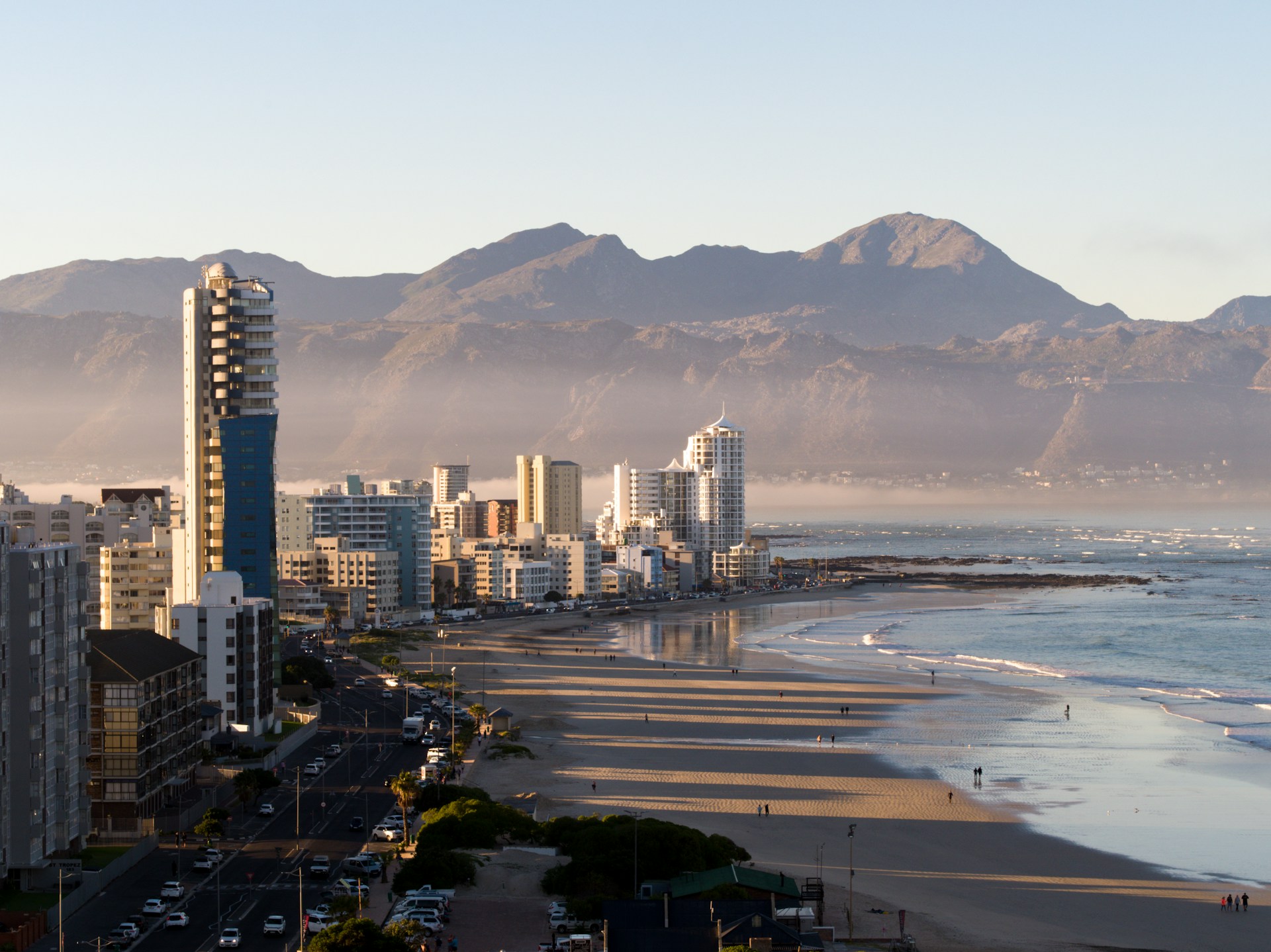
A former grain silo above Cape Town’s waterfront and a safari lodge in the Serengeti offer different versions of an exceptional stay. Behind their appeal lies a shared property story: investors turning distinctive locations into hospitality businesses. A review of Africa’s high-end hotels highlights the mix of family fortunes, international capital and specialist operators supporting some of the continent’s most recognisable addresses.
In Tanzania, Four Seasons Safari Lodge Serengeti illustrates the separation between the name above the door and the investor behind the asset. The property belongs to Albwardy Investment, the group established by Emirati businessman Ali Saeed Juma Albwardy, while Four Seasons manages it. Albwardy’s portfolio similarly pairs hotel ownership with international management companies. Such arrangements connect property investment with an operator’s service standards and distribution network, although the strength of a brand alone cannot establish a hotel’s financial performance.
South Africa’s Royal Portfolio offers a different route. Liz and Phil Biden began by converting their family holiday home into Royal Malewane in 1999, then expanded into coastal and vineyard settings. The Silo Hotel, opened in 2017, brought the business into Cape Town’s historic grain silo complex, above the Zeitz Museum of Contemporary Art Africa. Its redevelopment demonstrates how an existing building’s character can become part of the accommodation’s appeal. Architecture, art and location contribute to the product guests are buying, alongside the room itself.
These examples show why luxury hospitality requires closer examination than a list of wealthy backers or expensive suites allows. Investors may own buildings, hold stakes in operating companies or provide management expertise, with different responsibilities and exposure in each arrangement. For Nigeria’s hotel sector, the comparison is useful: an international name is one component of a development proposition. Value depends on demand, operating costs, maintenance and the ability to deliver the experience being promised.