
DiCasa Homes and the Space Between Building and Living
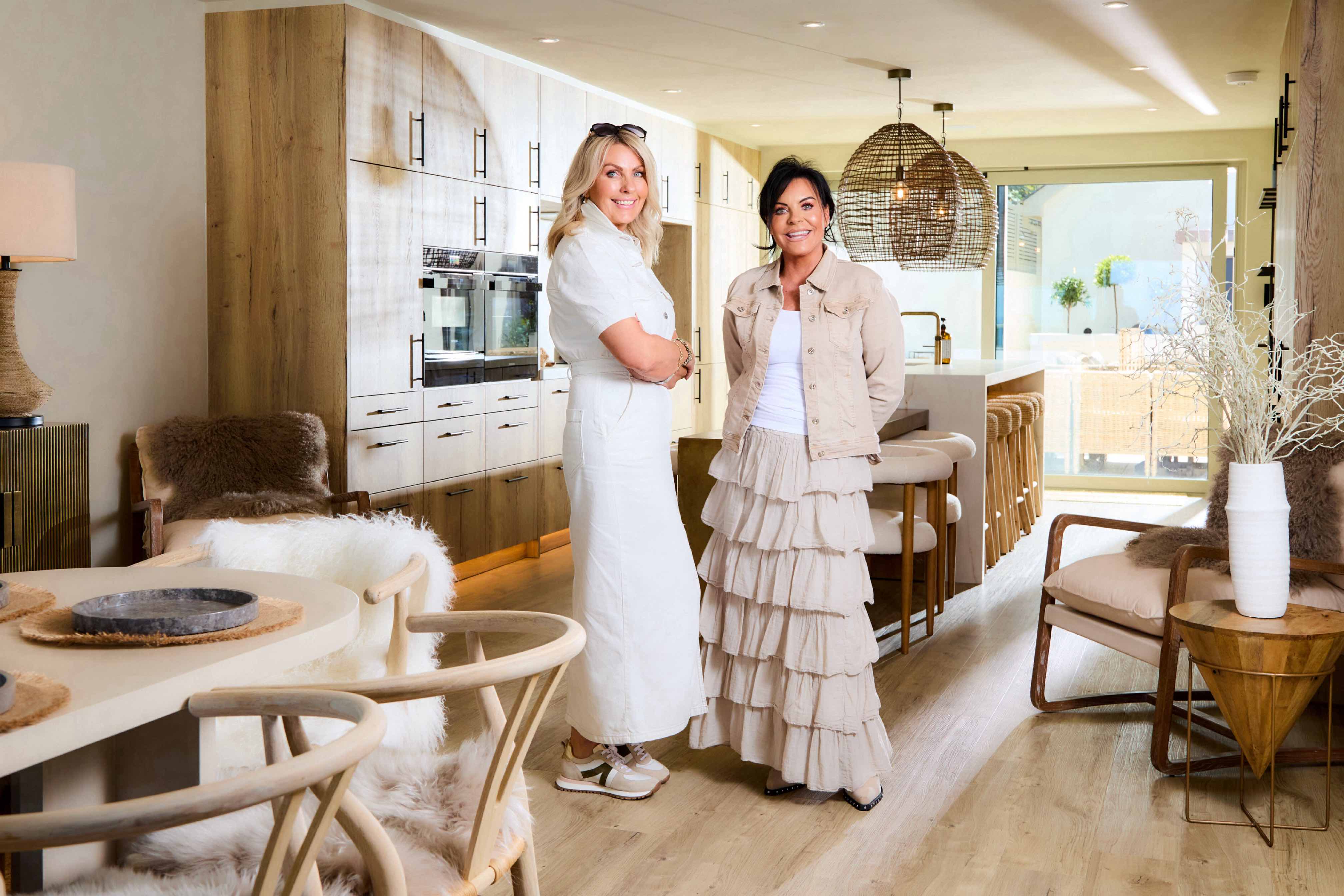
There is often a moment, shortly after arriving in a new home, when the reality of it begins to settle in. The space is finished, the architecture resolved, the key decisions already made, yet something remains incomplete. It may be as simple as how a room is used, where things are placed, or how the day begins and ends within it. What appears ready on the surface still requires a period of adjustment before it becomes fully lived in.
That subtle distance between completion and living is where DiCasa Homes has shaped its approach. Based in Jersey, founders Jo DiCasa and Jane Cook develop properties that are not only designed and built, but fully realised before the owner arrives. Each home is furnished, styled, and quietly resolved down to the smallest detail, allowing the experience of living to begin immediately rather than gradually take form over time. As expectations around luxury continue to evolve, the meaning of completion begins to shift, shaped by how ready a space feels to be lived in from the outset. It raises a more considered thought: what does it actually take for a home to feel complete the moment you arrive?
A Model Built Around Delivery, Not Living
Within much of the luxury residential market, development is still structured around a relatively fixed sequence. Projects move from concept to construction, through to completion and sale, with each stage often handled as a distinct phase. Design, build, and interior specification are aligned to deliver a finished product, but responsibility typically narrows once that product is handed over.
This approach has produced a high standard of architectural and interior quality, yet it also reflects a model that is primarily oriented around delivery. The emphasis is placed on creating something that presents well, meets specification, and achieves market appeal. What happens beyond that point, how the space performs over time, how it supports daily life, and how it integrates into a broader lifestyle, is often left outside the core scope of development.
The result is a form of completeness that is defined by process rather than by experience. The property is resolved in technical terms, but the lived dimension of it remains open-ended. It is this distinction that DiCasa Homes approaches differently, extending the role of development beyond the point of delivery and into how a home is ultimately inhabited.
Designing for How a Home Is Lived
At DiCasa Homes, that question is addressed at the very beginning of each project. Rather than approaching development as a sequence of design and build decisions, Jo DiCasa and Jane Cook begin by considering how the home will function once someone is inside it, moving through it, and relying on it as part of daily life.
This perspective reshapes the entire process. Layouts are refined with movement in mind, storage is considered through use rather than specification, and the atmosphere of each room is developed around how it will be experienced at different times of day. A kitchen is not simply designed to be seen, but to be used from the first morning. A living space is arranged to feel settled from the first evening.
Perhaps most distinctively, this process extends into the final stages of development in a way that is rarely seen elsewhere. The founders are known to spend time living within the properties themselves before completion, allowing them to test how each space functions in practice. Small adjustments are made, details are reconsidered, and the home is refined through experience rather than assumption.
From Property to Fully Realised Living
By the time a DiCasa home is presented, it does not require assembly. Furniture, materials, artwork, and finishes are already in place, selected and arranged as part of a cohesive whole. The home is not staged, but settled.
This extends beyond interiors. For many clients, particularly international buyers, the transition into a new home involves far more than the property itself. Relocation, local integration, and the practicalities of daily life can introduce complexity at a point where ease is expected.
DiCasa’s model accounts for this. Alongside development and design, the firm offers a concierge-level service that supports clients as they move into their new environment, arranging everything from schooling and healthcare to personal services and lifestyle needs. What might otherwise be a fragmented experience becomes coordinated, allowing the focus to remain on living rather than organising.
Authorship and the Shape of Modern Luxury
Underlying this approach is a level of authorship that is increasingly uncommon within the sector. Jo DiCasa and Jane Cook remain closely involved throughout each project, from initial concept through to final detailing, ensuring that every property carries a consistent point of view.
This continuity of vision is what allows DiCasa to operate as more than a developer. Each home reflects a recognisable approach to design and living, one that balances architectural integrity with warmth, refinement with usability. The result is not a collection of individual properties, but a portfolio of homes that share a distinct identity.
As the luxury property market continues to evolve, this kind of authorship is becoming more relevant. Buyers are no longer selecting only on location or specification, but on how a space will support the way they live. The distinction lies in the experience that unfolds over time, from arrival through to everyday use.